
Can Garden Wall Fountains Help Detoxify The Air?
 Can Garden Wall Fountains Help Detoxify The Air? An otherwise lackluster ambiance can be pepped up with an indoor wall fountain. Your eyes, your ears and your health can be favorably impacted by including this type of indoor feature in your house. If you doubt the benefits of water fountains, just look at the research supporting this theory. The negative ions released by water features are countered by the positive ions released by present-day conveniences. Beneficial changes to both your mental and physical health take place when the negative ions are overpowered by the positive ions. You can become more alert, calm and lively due to an increase in the serotonin levels resulting from these types of features. The negative ions produced by indoor wall fountains promote a better mood as well as get rid of air impurities from your home. Allergies, pollutants among other annoyances can be done away with by these water features. Finally, these fountains absorb dust particles and micro-organisms in the air thereby influencing your general well-being for the better.
Rome, Gian Lorenzo Bernini, And Fountains
Rome, Gian Lorenzo Bernini, And Fountains In Rome’s city center, there are many famous public fountains. One of the finest sculptors and artists of the 17th century, almost all of them were planned, conceptualized and constructed by Gian Lorenzo Bernini. Also a city designer, he had abilities as a water fountain developer, and traces of his life's work are evident throughout the streets of Rome. Ultimately moving to Rome to completely show their artwork, chiefly in the shape of community water features, Bernini’s father, a renowned Florentine sculptor, mentored his young son. An exemplary worker, Bernin earned compliments and the the backing of popes and well known painters. At the start he was celebrated for his sculptural skills. Working faultlessly with Roman marble, he used a base of expertise in the ancient Greek architecture, most famously in the Vatican. Although many artists had an influence on his work, Michelangelo had the most profound effect.
Backyard Elegance: Garden Fountains
Backyard Elegance: Garden Fountains These days you can just place your garden water fountain against a wall since they no longer need to be hooked to a pond. Moreover, it is no longer necessary to dig, deal with a complicated installation procedure or tidy up the pond. Due to its self-contained quality, this feature no longer needs plumbing work. Consistently adding water is the only requirement. Clear away the water from the basin and place clean water in its place when you see that the area is unclean.Any number of materials can be used to make garden wall fountains, but stone and metal are the most convenient. The most appropriate material for your water feature depends entirely on the style you prefer. It is best to look for garden wall fountains which are uncomplicated to install, handmade and lightweight. Ensure that your water feature is manageable as far as upkeep is concerned. In general, most installations are straight forward because the only pieces which may require examination are the re-circulating pump and the hanging hardware whereas other kinds of setups can be a little more difficult. It is very simple to spruce up your garden with these types of fountains.
The Basics of Herbaceous Garden Plants
The Basics of Herbaceous Garden Plants An Overview of Container Gardens & Herbaceous Plants. You'll obtain immediate gratification when you grow natural herbs in the garden as they can be employed in preparing sauces, soups, marinades and a number of other recipes. Herbs are very easy to maintain and often do not necessitate daily care, but even better you can relocate these plants in the house with the pots to guarantee they are going to be able to pull through the winter weather that often tends to be cold and life-threatening for all plants. There are a few positive aspects of having perennial herbs in your garden such as the fact that they don't necessitate replanting at the end of the year or don't die. In addition, the types of herbs you want to cook with should affect your personal herb choices. Personalize your herb garden to the type of food you most consistently cook. For instance, plant cilantro if you prefer Mexican or Thai food. If you prepare more Italian food, absolutely plant basil, oregano, and thyme. It is essential to figure out where your herbs will be planted in order to decide which herbs will thrive. To make the task less difficult, plant directly in the ground if you live in a moderate climate without extreme winters or summers It is simultaneously an attractive way to landscape your yard and an easy alternative because you do not need to assemble or buy planters. Plants often expire or become dormant because of direct exposure to the extreme weather. As a result, many people have preferred for planters because they are versatile and practical.
The Genesis Of Outdoor Fountains
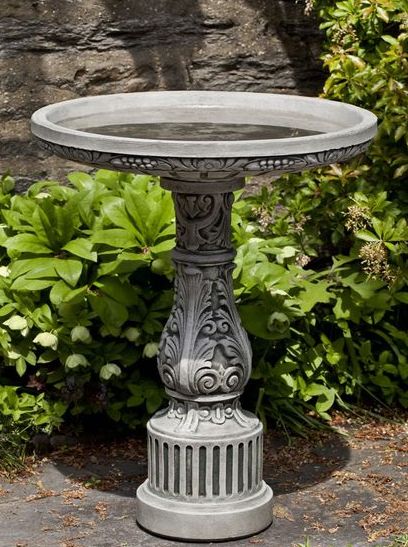 The Genesis Of Outdoor Fountains The incredible construction of a fountain allows it to provide clean water or shoot water high into air for dramatic effect and it can also serve as an excellent design feature to complete your home.
 Pure functionality was the original role of fountains. Inhabitants of urban areas, townships and small towns used them as a source of drinking water and a place to wash, which meant that fountains had to be linked to nearby aqueduct or spring. Up to the late nineteenth century, water fountains had to be near an aqueduct or reservoir and more elevated than the fountain so that gravity could make the water move down or shoot high into the air. Fountains were an excellent source of water, and also served to decorate living areas and celebrate the designer. Animals or heroes made of bronze or stone masks were often used by Romans to decorate their fountains. During the Middle Ages, Muslim and Moorish garden designers included fountains in their designs to mimic the gardens of paradise. Fountains played a significant role in the Gardens of Versailles, all part of French King Louis XIV’s desire to exercise his power over nature. To mark the entryway of the restored Roman aqueducts, the Popes of the 17th and 18th centuries commissioned the building of baroque style fountains in the spot where the aqueducts entered the city of Rome
Indoor plumbing became the main source of water by the end of the 19th century thereby restricting urban fountains to mere decorative elements. Fountains using mechanical pumps instead of gravity allowed fountains to bring recycled water into living spaces as well as create special water effects.
Nowadays, fountains decorate public areas and are used to pay tribute to individuals or events and fill recreational and entertainment needs.
The Subtle Appeal of the Water Wall Fountain
The Subtle Appeal of the Water Wall Fountain Make a positive impression on your loved ones by incorporating a wall fountain in your interior design. Your wall water feature will not only add beauty to your living space but also provide soothing background sounds.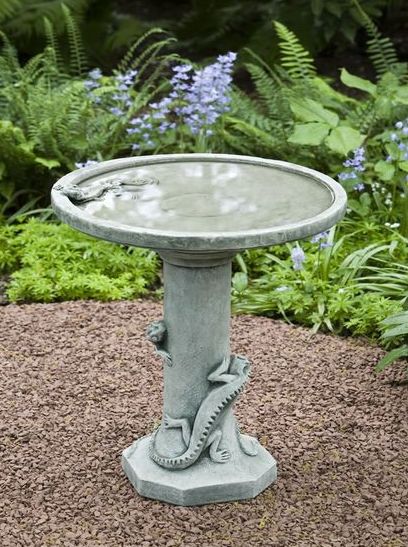 You can leave a lasting impression on your guests with the visual elegance and the welcoming sounds of this sort of feature.
 A wall fountain can add a great deal of beauty, even to contemporary living areas. If you want to enhance your modern-day decor, look into adding one made of stainless steel or glass. Is your house or business space in short supply? The perfect option for you is incorporating a wall water fountain. Since they are mounted on a wall you can save your precious real estate for something else. You may note that many busy office lobbies have fountains. Wall fountains can be put up outdoors as well. Consider using fiberglass or resin for your outside wall water feature. Gardens, terraces, or other outdoor spaces needing a stylish touch should include a water fountain made of one of these waterproof materials.
There is wide array of distinctive styles in wall fountains ranging from the contemporary to classic and rustic. The type most suitable for your living space depends entirely on your personal decoration ideas. A city dweller’s decoration ideas might call for polished glass whereas a mountaineer might prefer a more traditional material such as slate for a mountain lodge. Your own design plans determine the material you select. There is no doubting the fact that fountains are features which delight visitors and add to your quality of life.